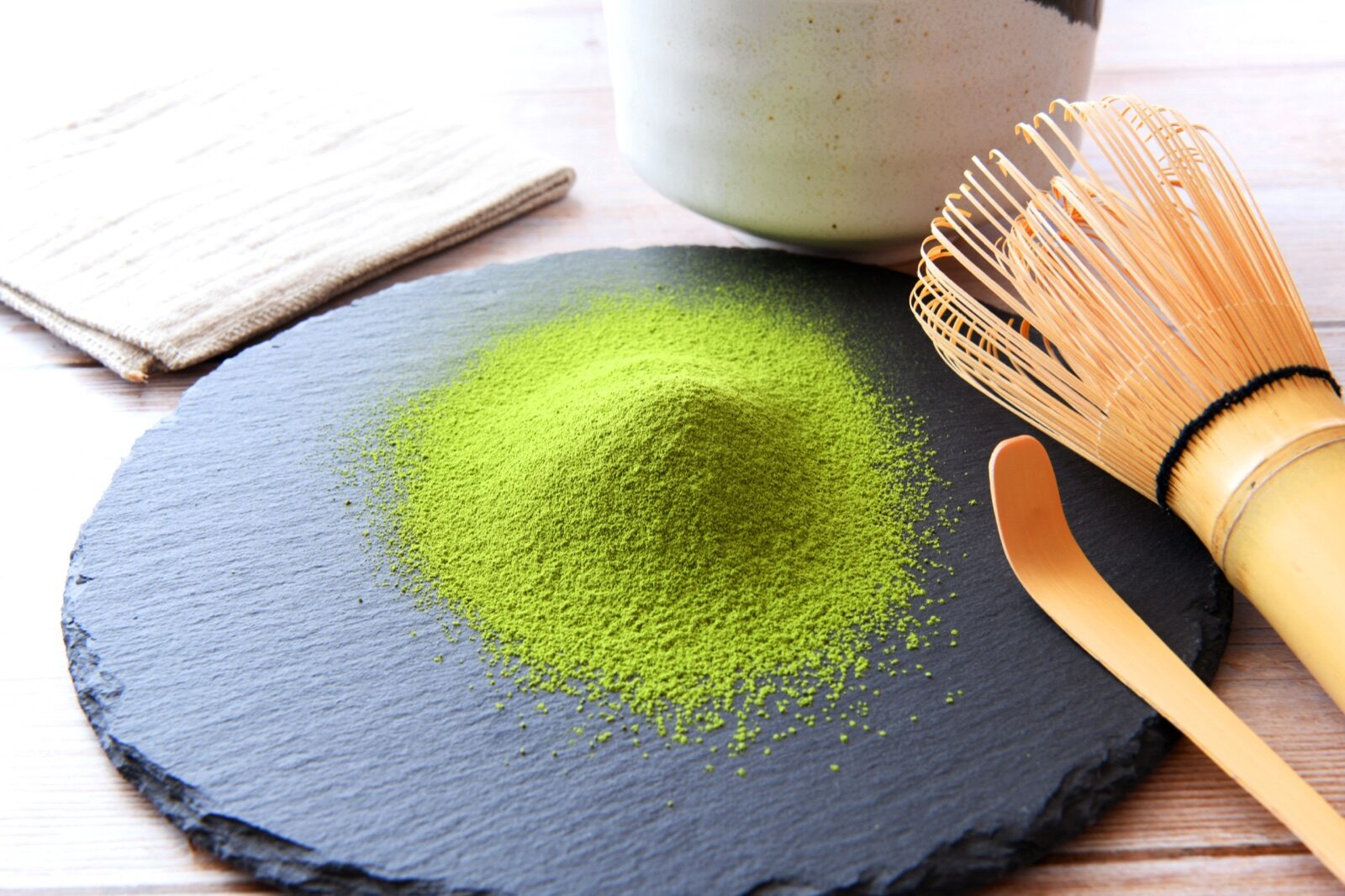
Most sample evaluations are done in a hurry, on different days, with different water, by whoever is free. Then the buyer chooses the sample that happened to taste best that afternoon. A short protocol removes most of that noise and gives you records you can reuse when lots arrive later.
01 · Request
Request samples that can be compared
- Ask for the product you intend to buy, not the showcase grade
- Request the specification with each sample: harvest, region, cultivar or blend, milling, particle size if measured, milling date, shelf life
- Ask for enough quantity to test in the real application several times (tens of grams, not a teaspoon)
- Ask for retail-pack samples too if packaging is part of the decision
- Ask whether the sample is representative of commercial lots
Suppliers respond better to a specific request; our note on how to import matcha from Japan shows the brief they expect.
02 · Storage
Store and code samples properly
Keep samples sealed, cool and dark until testing, then evaluate within a short window so age does not bias the result. Code them (A, B, C) so tasters do not see supplier names, and record which code is which separately.
03 · Dry
Dry evaluation
- Color: side by side on white, same light, same leveling; see how to specify matcha color
- Aroma: fresh, sweet, marine or grassy notes versus hay, dust or staleness
- Texture: rub between fingers; grit suggests coarser milling
- Sift test: how easily it passes a fine sieve, and clumping
04 · Wet
Standardised wet evaluation
Prepare every sample identically: same dose, same water volume and temperature, same whisking time. Taste blind, in the same order rotated between tasters, and rinse between samples. Score a few attributes on a simple scale:
| Attribute | What to note |
|---|---|
| Color in water | Vividness and hue after whisking and after two minutes |
| Aroma | Intensity and character |
| Sweetness / umami | Depth of savoury sweetness |
| Bitterness / astringency | Level and whether it lingers |
| Texture / foam | Smoothness, foam fineness, sediment |
| Overall fit | Fit for the intended use, not personal preference |
05 · Application
Test in the real product
Whisked matcha tells you about the powder. Your customers will meet it in a latte, an ice cream, a bar or a bottle. Repeat the evaluation in the actual recipe, at the doses you would use, and where relevant over time (a latte after five minutes, an ice cream after a week in the freezer, a bottled drink after two weeks). Application notes for cafés, ice cream, chocolate, bakery and RTD drinks list what to look for.
Record the lowest dose at which each candidate meets the target. It feeds the cost-per-unit comparison directly.
06 · Records
Score, decide and keep the record
Combine scores with the commercial data (price tier, MOQ, lead time, documents) rather than choosing on taste alone; see how to compare matcha wholesale quotes. Keep the winning sample sealed as your reference: every future lot is compared to it, which is how you catch drift; see lot-to-lot consistency in matcha.
07 · Feedback
Give suppliers structured feedback
Tell suppliers what you found in their terms — “more astringent than sample A in milk”, “color faded after a week frozen” — and what you decided. Suppliers who receive clear feedback within a couple of weeks send better second-round samples and treat you as a serious buyer. If you would like samples requested and coordinated for you, see request samples.
08 · FAQ
Frequently asked questions
How much sample should I request?
Enough to test in your real application several times — tens of grams rather than a teaspoon — plus a sealed portion to keep as a reference if you choose the supplier.
Should I taste samples blind?
Yes. Coding samples and rotating the tasting order removes supplier bias and order effects, and makes scores comparable across sessions and tasters.
How quickly should I give feedback to suppliers?
Within a couple of weeks. Structured feedback in the supplier’s terms leads to better second-round samples and marks you as a serious buyer; long silences are the most common reason promising suppliers move on.
Related services: Wholesale matcha from Japan · Private-label matcha (OEM) · Quality and documentation
Japan-side support
Want samples selected for your use?
Tell us the product, target profile and volume. We request suitable samples from suppliers in Japan, with their specifications, so you evaluate real candidates.
Send your requirements