Origin & harvest
Region, cultivation, harvest timing and available lot information.
Matcha quality
Compare origin, harvest, color, aroma, umami, bitterness, particle size, packaging, test results and lot information.
No universal ceremonial standard
Grade labels can be useful shorthand, but they do not replace a clear sensory, technical and business specification.
Region, cultivation, harvest timing and available lot information.
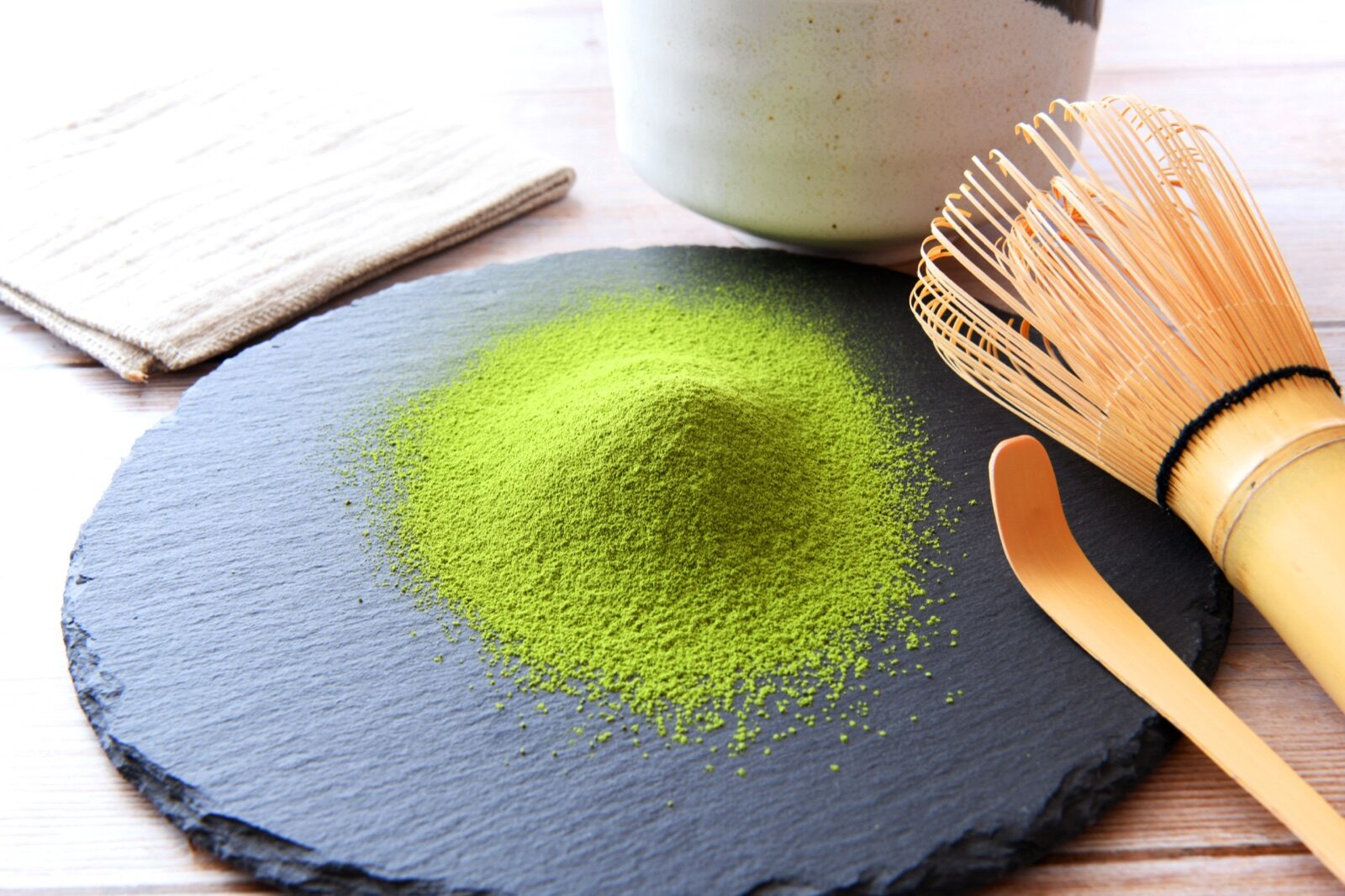
Powder appearance and aroma assessed in the context of intended use.
Umami, bitterness, astringency, body and overall balance.
Particle size, dispersion, handling and behavior in the finished application.
Evaluate by use
| Application | Useful evaluation criteria |
|---|---|
| Drinking | Aroma, umami, bitterness, mouthfeel, finish and preparation style. |
| Matcha latte | Color in milk, flavor impact, balance, dispersion and cost per cup. |
| Bakery & confectionery | Color under processing, bitterness, dose, flavor persistence and price. |
| Beverages | Dispersion, sediment, acidity, processing conditions and finished color. |
| Retail | Target customer, taste, origin information, packaging and repeat consistency. |
Sample comparison
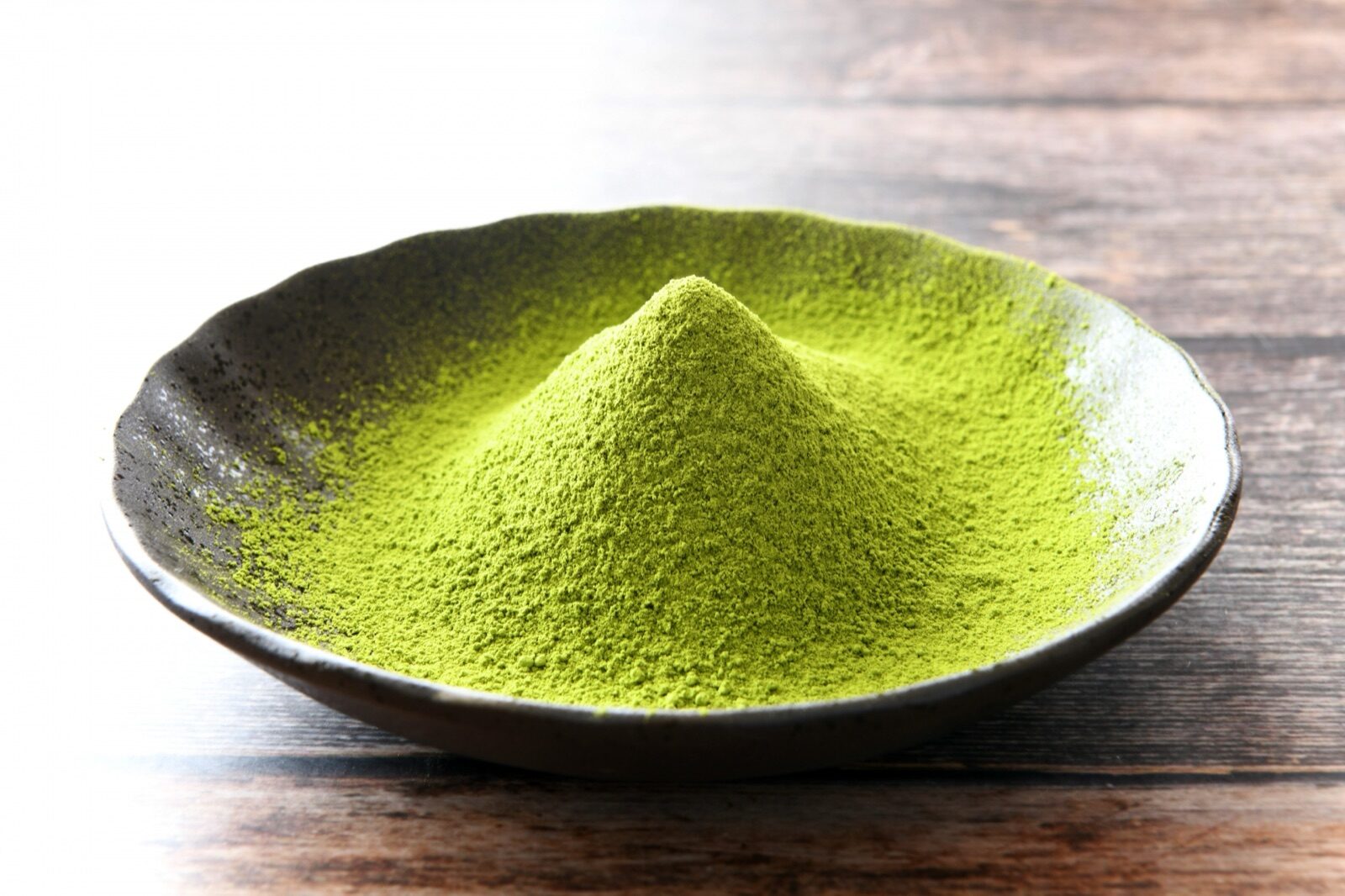
Compare candidate samples using the same dose, water, milk, recipe, equipment and scoring method. The most useful sample is the one tested in your real application.
Documentation
Available documents vary by matcha, supplier and destination. Tell us what your business or importer requires.
Any certification, testing or compliance claim is confirmed for the selected product before it is presented as available.
Quality brief
Share your application, target result and documentation needs.