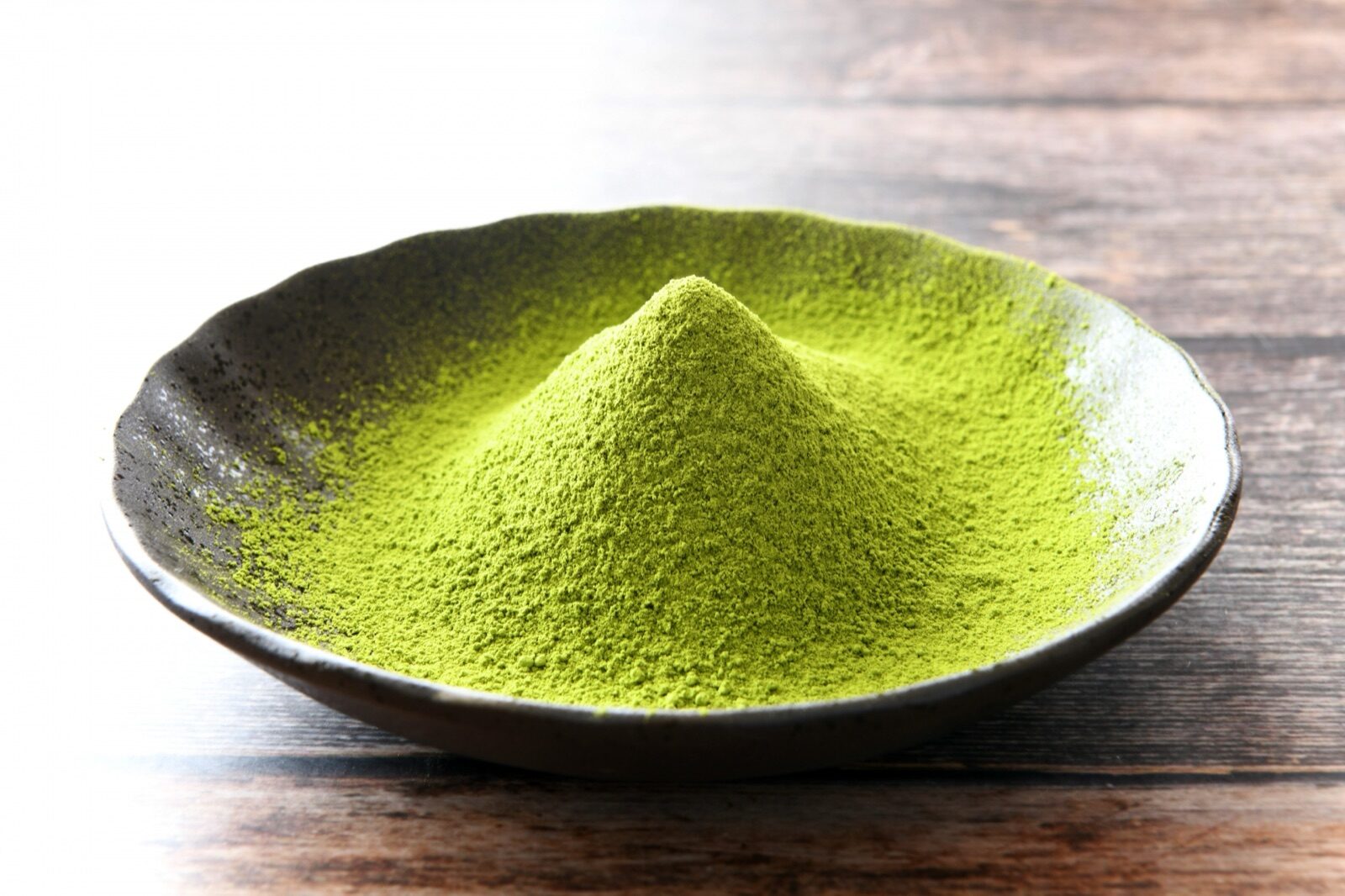
Buyers new to matcha are often surprised by the spread of prices for what appear to be similar products. Understanding what drives cost lets you ask the right questions and stop comparing numbers that were never comparable.
01 · Field costs
Costs that start in the field
Matcha is made from tencha, and tencha is expensive to grow. Fields are shaded for several weeks before harvest, which suppresses yield and increases labour. The first harvest of the year (ichibancha, typically late spring) produces the most sought-after leaf; later harvests are cheaper and more astringent. Hand-picked or carefully machine-harvested young leaves cost more than mechanically harvested mature leaf. Our note on tencha, shading and first harvest explains the production side.
- Harvest: first flush versus later flushes
- Shading method and duration
- Cultivar and field age
- Yield per hectare, which drops with heavier shading
02 · Processing
Processing and milling
Tencha must be steamed, dried, and stripped of stems and veins before milling. Traditional stone mills produce very fine powder slowly, so milling capacity is a real cost; alternative milling methods are faster and cheaper but produce different particle characteristics, covered in particle size and milling methods. Blending, sieving, testing and packing add further steps.
03 · Region and story
Region, reputation and story
Regional reputation carries a premium. Uji and other Kyoto origins command higher prices; Nishio, Kagoshima, Shizuoka, Yame and other areas offer a range of price points. Some of the premium is quality; some is scarcity and reputation. For a manufacturing grade, region matters less than specification. For a retail brand, the origin story may be exactly what you are paying for. See the regions guide.
04 · Grade and spec
Grade names versus specification
“Ceremonial” and “culinary” have no official definition, so a price attached to a grade name tells you little on its own. Price follows the specification: color, taste profile, particle size, harvest and origin. Ask for the spec behind the price; see “ceremonial grade” has no official definition.
05 · Commercial factors
Commercial factors on top of the tea
| Factor | Effect on price per kg |
|---|---|
| Order volume and forecast | Larger, predictable orders earn lower tiers |
| Packaging | Retail packs add components and packing labour |
| Organic certification | Certified stock is scarcer and audited |
| Testing and documents | Lot-specific analysis is a real cost |
| Delivery basis (Incoterm) | Freight and insurance may or may not be inside the price |
| Payment terms and currency | Deposits, terms and exchange rate |
| Supplier type | Each intermediary adds margin but may add service |
06 · Market
Market conditions
Since 2024, strong global demand has tightened supply of first-harvest tencha and pushed prices up, with some producers limiting allocations. Quotes now often carry short validity periods. Treat any price older than a few weeks as an estimate until re-confirmed, and read why matcha prices rose and how to plan.
A cheap quote for a later-harvest, machine-milled blend and an expensive quote for a first-harvest Uji lot are both fair. They are simply different products.
07 · Questions
Questions that make a price comparable
- Which harvest and year is this lot from?
- Region and whether it is a blend across regions
- Milling method and particle size
- Volume this price applies to, and the next tier
- Bulk or packed, and what packaging is included
- Incoterm, currency and validity date
- Documents included with the lot
Our wholesale matcha service collects these answers from suppliers in Japan so you can compare real specifications side by side.
08 · FAQ
Frequently asked questions
Why is first-harvest matcha more expensive?
First-harvest leaves are young, sweet and deeply green after shading, and there is only one first harvest a year, so supply is fixed by early summer. Later harvests are more astringent, yellower and more plentiful, and are priced accordingly.
Is stone-milled matcha worth the premium?
For premium drinking matcha, most buyers think so: the fineness and low heat suit whisked tea. For food and beverage applications, other milling methods can meet the specification at lower cost. Decide by application and specification, not by the label alone.
How long is a matcha wholesale quote valid?
Since supply tightened after 2024, many suppliers hold prices for weeks rather than months, especially for premium grades. Treat any price without a validity date as an estimate and re-confirm before ordering.
Related services: Wholesale matcha from Japan · Private-label matcha (OEM) · Quality and documentation
Japan-side support
Not sure whether a price is fair?
Send us the quote and the specification behind it. We check what the price covers, compare it with current supplier terms in Japan and tell you what to ask next.
Send your requirements