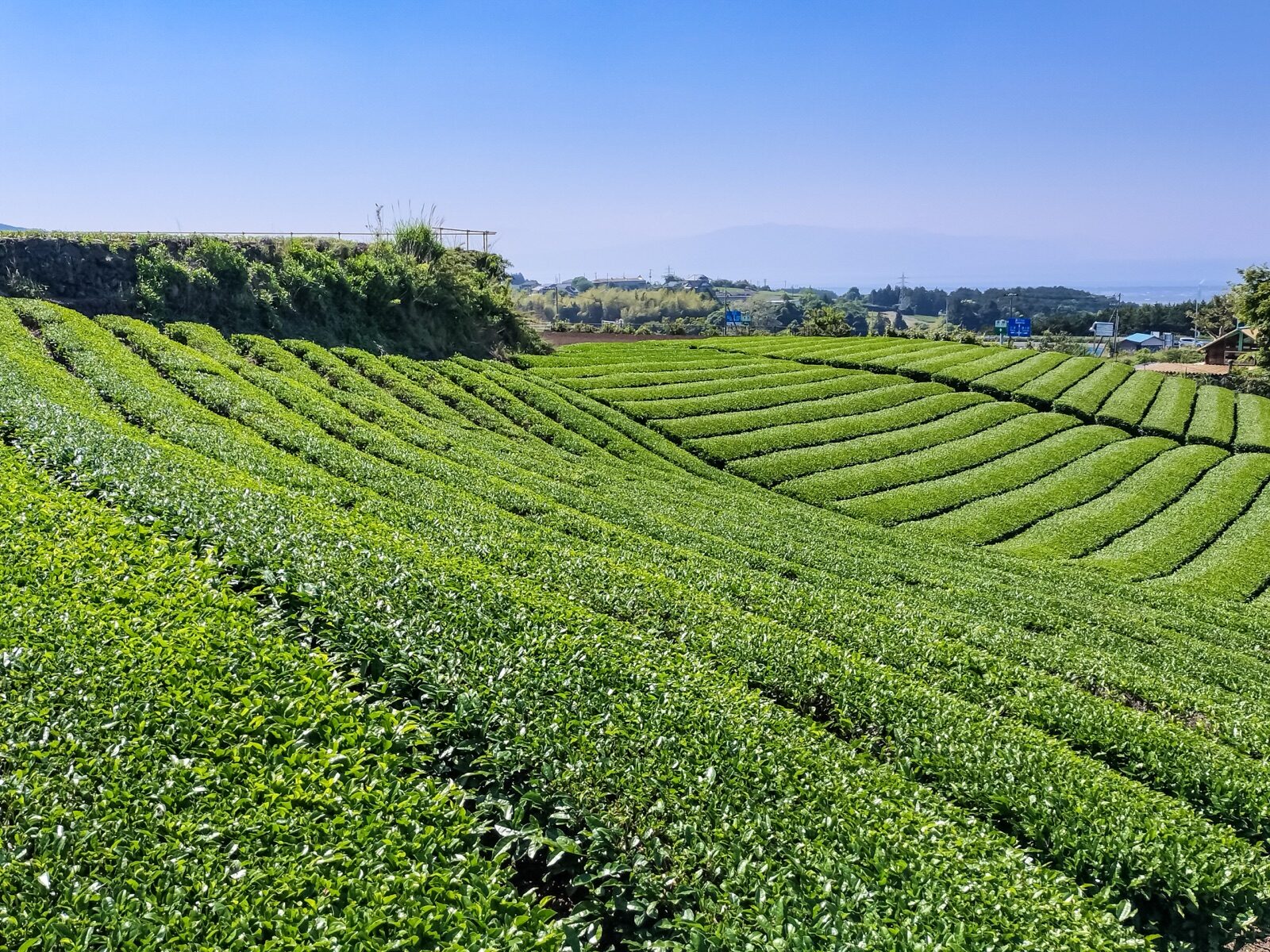
“Is Uji or Kagoshima matcha better?” is incomplete. A premium retail tin, a café latte and an industrial ice-cream recipe do not need the same origin, supply model or cost. Suppliers within one prefecture can also offer different harvests, cultivars and blends.
Use region to build a shortlist, not to choose the winner. The winner should be the product that meets the application, claim, annual volume, destination requirements and target margin.
01 · At a glance
Six regions compared for business use
The table shows useful tendencies, not grades guaranteed by geography. “Price position” is relative and product-specific; current written quotes are still required.
| Region | Common business style | Supply picture | Organic availability | Relative price position | Often explored for |
|---|---|---|---|---|---|
| Kyoto / Uji | Heritage-led, premium drinking and gift retail | Sought-after lots can be limited or allocated | Available supplier by supplier; do not assume | Often high where origin and scarcity carry a premium | Whisking matcha, high-end tins, origin stories |
| Kagoshima | Cultivar range, repeatable blends and larger programmes | Broad tea base and several harvest periods can support scale | A practical starting region for export-organic searches | Broad range; often competitive for volume specifications | Lattes, manufacturing, multi-tier ranges, organic |
| Aichi / Nishio | Matcha specialisation, vivid color and retail recognition | Established tencha and milling network; availability varies by grade | Available, but product-level scope must be checked | Mid to high depending on origin, grade and pack | Drinking, premium latte, retail tins |
| Fukuoka / Yame | Premium tea identity, sweetness and umami | Matcha supply can be smaller than the wider Yame tea reputation suggests | Available from particular certified operations | Often premium for limited, differentiated lots | Drinking matcha, origin-led retail |
| Mie / Ise | Covered-tea expertise and an alternative regional story | Integrated producers can support drinking and ingredient needs | Check supplier and product; do not infer from region | Can span value to premium based on specification | Lattes, ingredients, differentiated retail |
| Shizuoka | Extensive tea infrastructure and versatile export development | Broad supplier base, with programme-specific matcha capability | A useful starting point, with product-level verification | Broad range across beverage and manufacturing needs | Beverages, manufacturing, export programmes |
“Organic availability” does not mean that every product from the region is certified. Ask for current certificates, scope and lot documentation. Likewise, a premium region does not make every powder premium.
02 · Uji
Kyoto and Uji: heritage with a verification task
Uji is closely associated with matcha, tea ceremony and established blending expertise. It can support a strong retail story and access to refined premium styles, especially when a customer already recognises the name. That recognition and constrained supply can also create a higher price and limited allocation.
Define what “Uji” means in the proposed product. Ask where the leaf was grown, where tencha was processed and where the powder was milled. Regional naming conventions may be wider than a consumer assumes, so traceability must match your pack. Is it really Uji matcha? sets out the check.
Uji is a strong candidate for a premium tin when origin is part of the value. It is often a weak starting constraint for a high-volume latte if the product only needs vivid color, controlled bitterness and stable cost.
03 · Kagoshima
Kagoshima: range, cultivars and repeat supply
Kagoshima is a major tea-producing prefecture with a warm climate, many cultivars and harvest timing that begins earlier than cooler regions. For buyers, its practical attraction is range: suppliers may be able to propose premium, beverage and manufacturing products, including certified organic candidates, from one wider production base.
Products are not interchangeable. Confirm that the powder is tencha-based matcha, which areas sit behind it and how the blend changes between lots. Kagoshima is worth testing for café programmes, repeat manufacturing demand and alternatives to a scarce heritage origin.
04 · Nishio
Aichi and Nishio: a specialised matcha centre
Nishio and neighbouring Anjo form one of Japan's specialised tencha and matcha centres, associated with vivid color and mellow, umami-led profiles. The area can bridge premium drinking and latte applications, depending on the grade. Regional naming has real history here: "Nishio Matcha" was registered as a geographical indication in Japan and the registration was later withdrawn at the producers' own request, so the name on today's market is a supply-chain claim rather than a certification.
If the brand wants to put the Nishio name on a pack, ask which growers, tencha processors and mills stand behind the exact product and what records support the wording. If the objective is simply an Aichi matcha with good color and supply, say that instead.
05 · Yame
Fukuoka and Yame: premium identity, specific availability
Yame has a broad reputation for premium Japanese tea with sweetness, body and umami. Fukuoka has also been expanding tencha production. The region is worth investigating for a differentiated drinking matcha or retail product with a Kyushu origin.
A strong tea reputation does not mean every producer offers matcha, export documents or your required volume. Ask about current availability, the processor and mill, repeat capacity and supply after the first lot.
06 · Mie
Mie and Ise: an overlooked covered-tea region
Mie deserves a place on a matcha shortlist. It is an established tea region with covered-tea expertise, and some producers integrate tencha and matcha processing. It receives less international buyer attention than Uji or Nishio, offering brands a less familiar regional story.
Mie can be explored across drinking, latte and ingredient grades. The deciding factors are the supplier’s tencha source, milling, certification, export readiness and volume. Less famous does not mean cheaper; specification and scarcity still decide the price.
07 · Shizuoka
Shizuoka: tea infrastructure and export programmes
Shizuoka has extensive tea production and processing infrastructure across diverse local areas. Matcha is one part of a much wider tea industry, so buyers should identify the specific tencha and matcha programme behind an offer rather than buying the prefecture name alone.
The region is a sensible place to investigate beverage, manufacturing and export products. Organic certification and residue suitability must be verified for the exact supplier and product. Ask how the lot is sourced and milled, and whether its documents match the destination.
08 · Decision
Choose the region from the product backwards
Start with the commercial priority, then investigate more than one region:
- Premium whisking and gift retail: begin with Uji, Nishio and Yame, then let blind sample quality, verified origin and available volume decide.
- Café and latte programmes: test Kagoshima, Shizuoka and Nishio for color in milk, flavor impact, consistency and cost per serving.
- Food manufacturing: examine Kagoshima, Shizuoka and Mie for specification, milling, lot control and capacity.
- Organic and strict export markets: start with suppliers in Kagoshima and Shizuoka, while checking qualified operations in every region. Certification and residue results are product-level facts.
- A differentiated regional line: Mie or a specific Kyushu producer can offer a credible alternative, provided the evidence and product are strong.
Single-cultivar and blended products can come from the same region. One may give a distinctive story; the other may give a chain the consistency it needs. See single-cultivar, single-origin or blended matcha.
Compare regions for story and supply, then compare actual products blind for performance. The regional favourite and the product winner do not have to be the same.
09 · Verify
What to verify with every regional claim
- Where was the leaf grown, tencha processed, and matcha milled or blended?
- Is the product single-region, and can the source change between lots?
- Which harvest, cultivar or blend policy applies?
- What annual volume is genuinely available at the quoted specification?
- Which certifications, residue results and export documents apply to this product?
- Does the price include bulk or retail packaging, and on which Incoterm?
The matcha regions service provides a wider regional starting point. To compare current supplier options against a specific product, send us the brief.
10 · FAQ
Frequently asked questions
Is Uji matcha better than Kagoshima matcha?
Not as a general rule. Uji may be a better fit for a heritage-led premium product, while Kagoshima may offer a wider range for lattes, manufacturing or repeat volume. Compare actual samples, evidence, supply and price for the intended use.
Which Japanese region is best for organic matcha?
Kagoshima and Shizuoka are practical starting points, but organic status belongs to a certified operator and product, not to a prefecture. Check the certificate scope, chain and destination documents for every candidate.
Is Mie a real matcha-producing region?
Yes. Mie is an established tea region with covered-tea expertise, and some producers handle tencha and matcha processing. Verify each supplier’s source, milling, capacity and export readiness.
Can I put a regional name on my retail pack?
Only when the supply records substantiate the claim and the wording meets the rules in your sales market. Define where the leaf was grown, processed and milled, then keep lot-level evidence.
Related services: Wholesale matcha from Japan · Private-label matcha (OEM) · Quality and documentation
Japan-side support
Choosing a region for your matcha?
Tell us the product, claim, volume and budget. We compare current supplier options in the regions that fit and arrange samples for a like-for-like decision.
Send your requirements