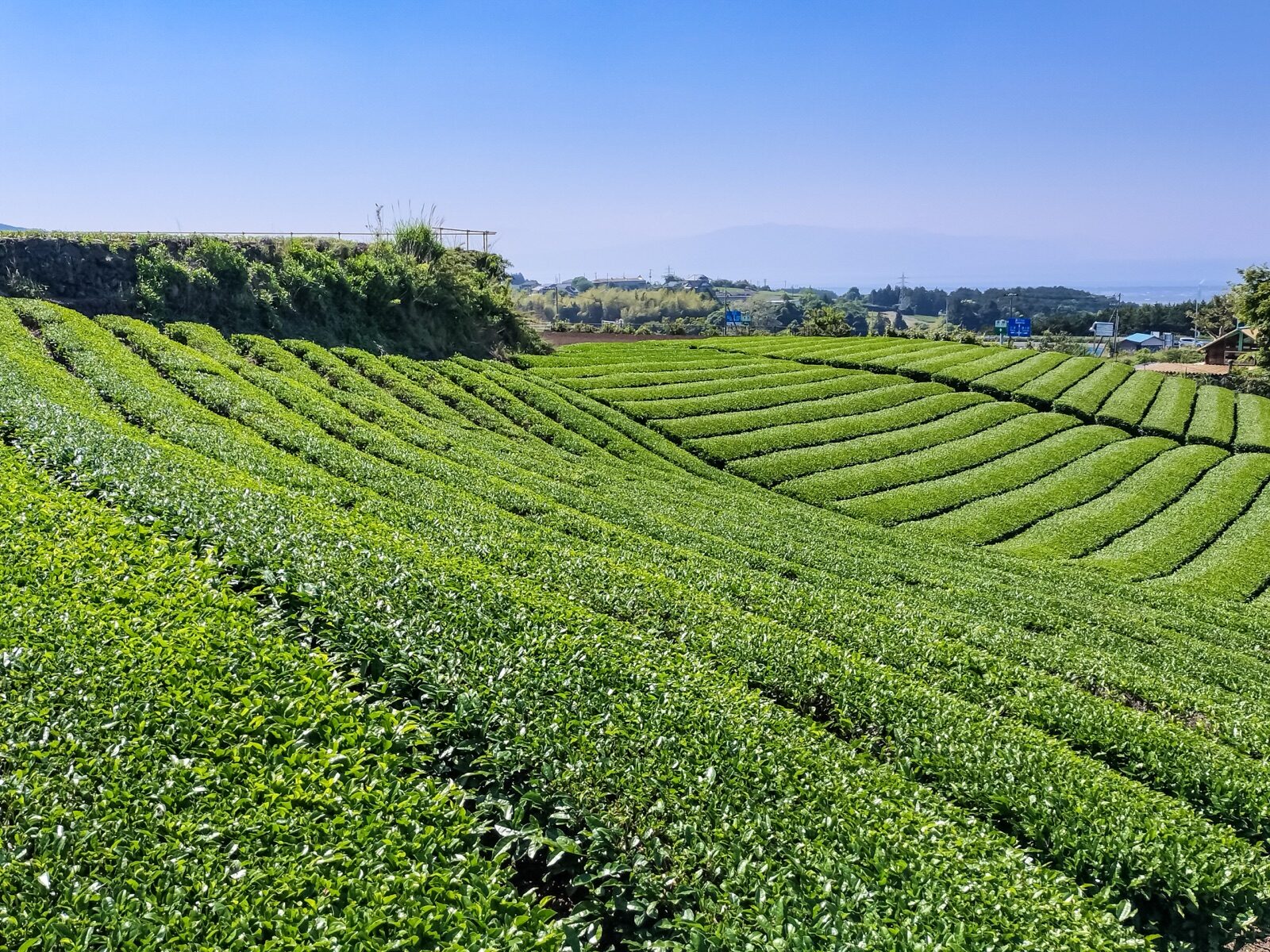
“Uji matcha” is the most valuable phrase in the category, and the most misunderstood. Buyers assume it means tea grown in Uji city; the reality is more nuanced, and the same is true of other regional names. Since supply tightened after 2024, the temptation to stretch origin claims has grown, and importers who print those claims carry the risk in their own market.
01 · What names mean
What regional names usually mean
Regional tea names in Japan are often industry designations rather than strict geographic guarantees. “Uji tea” has historically been used for tea produced in Kyoto Prefecture and neighbouring areas and finished (blended, refined, milled) by Kyoto businesses, under rules set by the local tea industry rather than by law. Other regions have their own conventions. The upshot: a product labeled with a regional name may be grown, processed or finished in that region in different combinations, and the label alone will not tell you which.
Some regional and product names are protected as geographical indications or trademarks in Japan; check the specific name if it matters to your claim.
02 · Where blending happens
Where origin can blur
- Leaf sourcing: producers in a famous region may buy tencha from other regions to meet demand.
- Blending: house grades are blended across fields and sometimes regions for consistency.
- Milling and packing: leaf grown elsewhere may be milled and packed in the named region.
- Trading: intermediaries may not pass on field-level information unless asked.
None of this is necessarily improper under local conventions. It becomes a problem when your consumer-facing claim implies something stricter than what the supply chain delivers.
03 · Verify
How to verify an origin claim
- Ask the supplier, in writing, where the leaf was grown, where tencha was processed and where it was milled — three separate answers.
- Ask whether the product is a single-region lot or may include tencha from other prefectures, and whether that can change between lots.
- Request traceability records for a specific lot: producer or cooperative, field area, harvest date.
- For premium single-origin claims, ask for the producer’s name and whether a visit is possible.
- Keep retained samples and lot documents so your claim can be reconstructed later.
Documents that support origin are covered in matcha supplier documents.
Grown where, processed where, milled where. If a supplier gives one answer to all three without hesitation, ask again.
04 · Claims
Making claims in your market
Consumer protection and labeling rules in your market decide what “Product of Japan”, “Uji” or “single-origin” may mean on your pack. A regional name used under Japanese industry convention may need qualification abroad. Decide the claim you can substantiate, write an internal definition, and match your artwork to it. See single-cultivar, single-origin or blended matcha for how to describe blends honestly.
05 · Alternatives
Regions beyond Uji
Buyers fixed on one name sometimes overlook excellent matcha from Nishio, Kagoshima, Yame, Shizuoka and elsewhere, often with more available volume and clearer traceability. Our regions guide summarises what each is known for.
06 · Support
Verification on the Japan side
Origin questions are easier to settle in Japanese, on the phone or in person. Our quality and documentation service asks them for you and reports what the supplier can actually substantiate, and our supplier visit programme lets you see fields and mills yourself.
07 · FAQ
Frequently asked questions
Does “Uji matcha” mean the tea was grown in Uji city?
Not necessarily. The name has historically been used under Kyoto tea industry conventions for tea grown in Kyoto Prefecture and nearby areas and finished by Kyoto businesses. Ask where the leaf was grown, processed and milled as three separate questions.
How can I verify a matcha origin claim?
Request written answers on growing, processing and milling locations, lot-level traceability to producer and field, and the supplier’s policy on blending across regions. Keep retained samples and documents so the claim can be reconstructed.
Is non-Uji matcha lower quality?
No. Nishio, Kagoshima, Yame, Shizuoka and other regions produce excellent matcha, often with more available volume and clear traceability. Choose by specification and fit, not by name alone.
Related services: Wholesale matcha from Japan · Private-label matcha (OEM) · Quality and documentation
Japan-side support
Need an origin claim verified?
Send us the product and the claim you want to make. We ask the supplier the right questions in Japanese, request traceability and report what can be substantiated.
Send your requirements