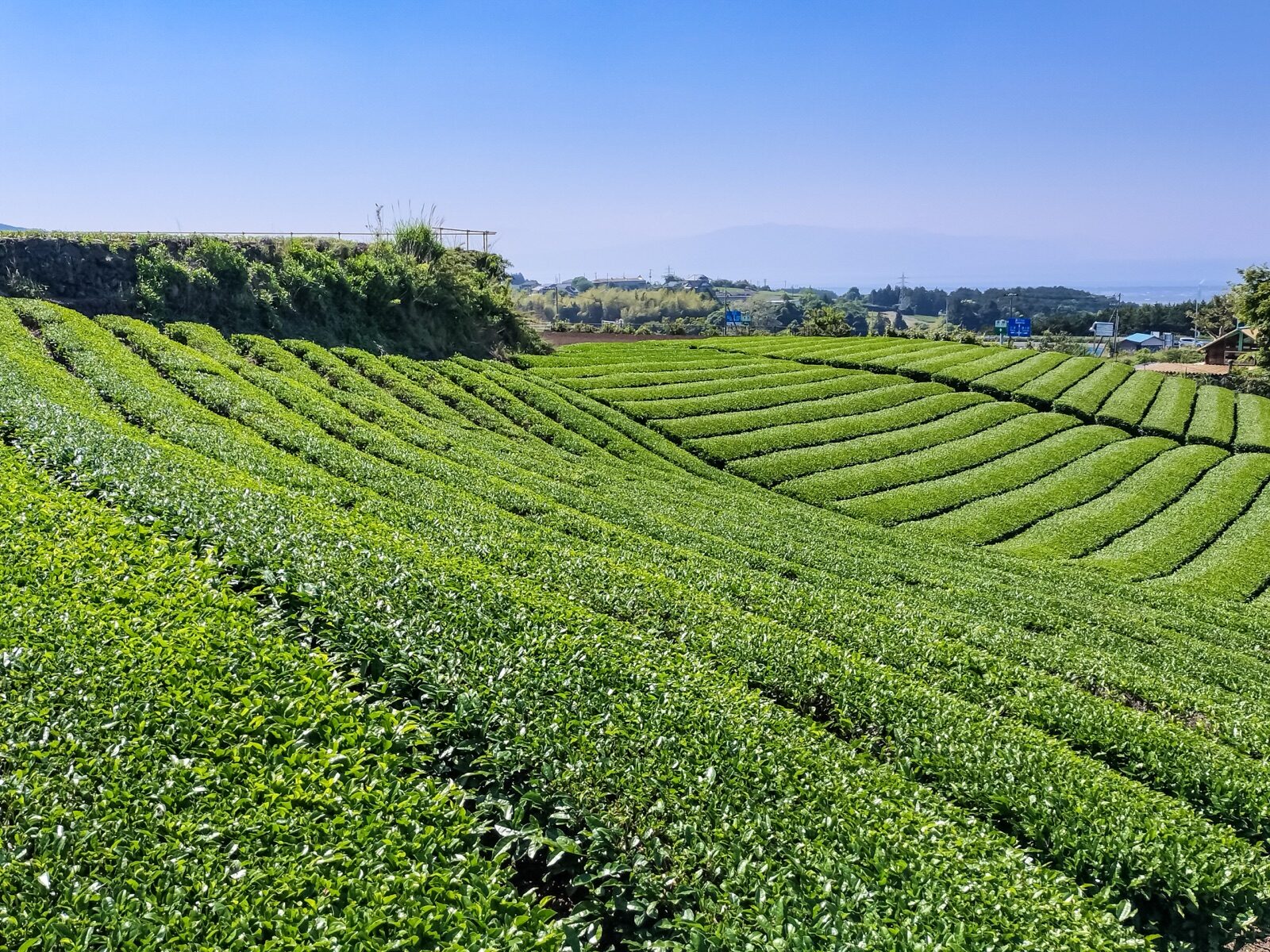
Wine buyers know the difference between a single-vineyard bottling and a house blend. Matcha works the same way, but the vocabulary is newer to most buyers, and suppliers use it loosely. Knowing what the terms mean helps you buy the right thing and describe it honestly.
01 · Terms
The three terms
- Single-cultivar matcha is made from one tea variety, such as Samidori or Okumidori. It shows the character of that variety.
- Single-origin matcha comes from one region, one producer or one field, depending on how narrowly the supplier defines it. Ask which.
- Blended matcha combines lots across cultivars, fields, harvests or regions to hit a stable target of color, taste and price. Most commercial matcha, including many premium grades, is blended.
These overlap: a single-origin product may be a blend of cultivars from one farm; a single-cultivar product may blend several fields.
02 · Cultivars
Cultivars buyers hear about
A handful of names come up repeatedly. Producers describe them roughly as follows, with the usual caveat that field, shading and processing matter as much as variety.
| Cultivar | Commonly described character |
|---|---|
| Yabukita | The most widely planted Japanese tea cultivar; balanced, widely used in blends |
| Samidori | Sweet, rich umami; associated with high-grade tencha in Uji |
| Okumidori | Late-budding, deep green color, mellow taste; popular for vivid color |
| Asahi | Prized for premium tencha; strong umami, limited availability |
| Saemidori | Bright green, sweet, low astringency; grown notably in Kagoshima |
| Gokou | Distinctive aroma; associated with Uji |
Availability of a named cultivar in commercial quantities is limited, and prices reflect that. Treat cultivar names as one specification point among several; see “ceremonial grade” has no official definition.
03 · Blends
Why blending is the norm
Fields, cultivars and harvests vary year to year. Blenders combine lots to keep a grade’s color, taste and cost within a target, and to make quantities that single fields cannot. For beverage and food products that need the same result every month, a well-managed blend is usually the better choice; see lot-to-lot consistency in matcha.
Many of the most respected matcha products in Japan are house blends. The question is whether the blend is managed and disclosed, not whether it exists.
04 · Choosing
Which approach fits which product
- Premium retail tins with a story: single-cultivar or narrowly defined single-origin lots create differentiation. Expect limited volume, higher price and year-to-year variation you must be willing to explain.
- Café and beverage programmes: blends chosen for color in milk and stability across the year.
- Food manufacturing: blends specified by color, particle size and taste in the finished product, with lot approval.
- Ranges: many brands pair a hero single lot with a blended volume grade.
05 · Claims
Describing it honestly
If you sell “single-origin Uji” or “100% Samidori”, your supplier must be able to substantiate it, and you should be able to trace each lot to the claim. Origin claims in particular deserve care; see is it really Uji matcha? origin claims and how to verify them. Ask suppliers to state on the specification whether blending across cultivars, fields, harvests or regions is permitted for the product you are buying.
06 · Next
Finding what you want
Producers with specific cultivars or single-field lots are usually smaller and Japanese-speaking. Our regions guide is a starting point, and our sourcing team can contact producers on your behalf.
07 · FAQ
Frequently asked questions
Is single-cultivar matcha better than blended?
It is different rather than better. Single-cultivar lots show a distinctive character and support a story, but vary year to year and come in limited quantities. Blends are how suppliers deliver consistency and volume.
Which cultivar is best for lattes?
Cultivars known for vivid color and low astringency, such as Okumidori or Saemidori, are often mentioned, but field, shading, harvest and milling matter as much as variety. Test candidates in milk rather than choosing by name.
Can a supplier guarantee the same cultivar every year?
Only within the quantity that cultivar produces on their fields. Ask about availability across years and whether the specification allows substitution or blending.
Related services: Wholesale matcha from Japan · Private-label matcha (OEM) · Quality and documentation
Japan-side support
Looking for a specific cultivar or origin?
Tell us the product and the story you want to tell. We contact producers in Japan who can supply it and confirm availability and terms.
Send your requirements