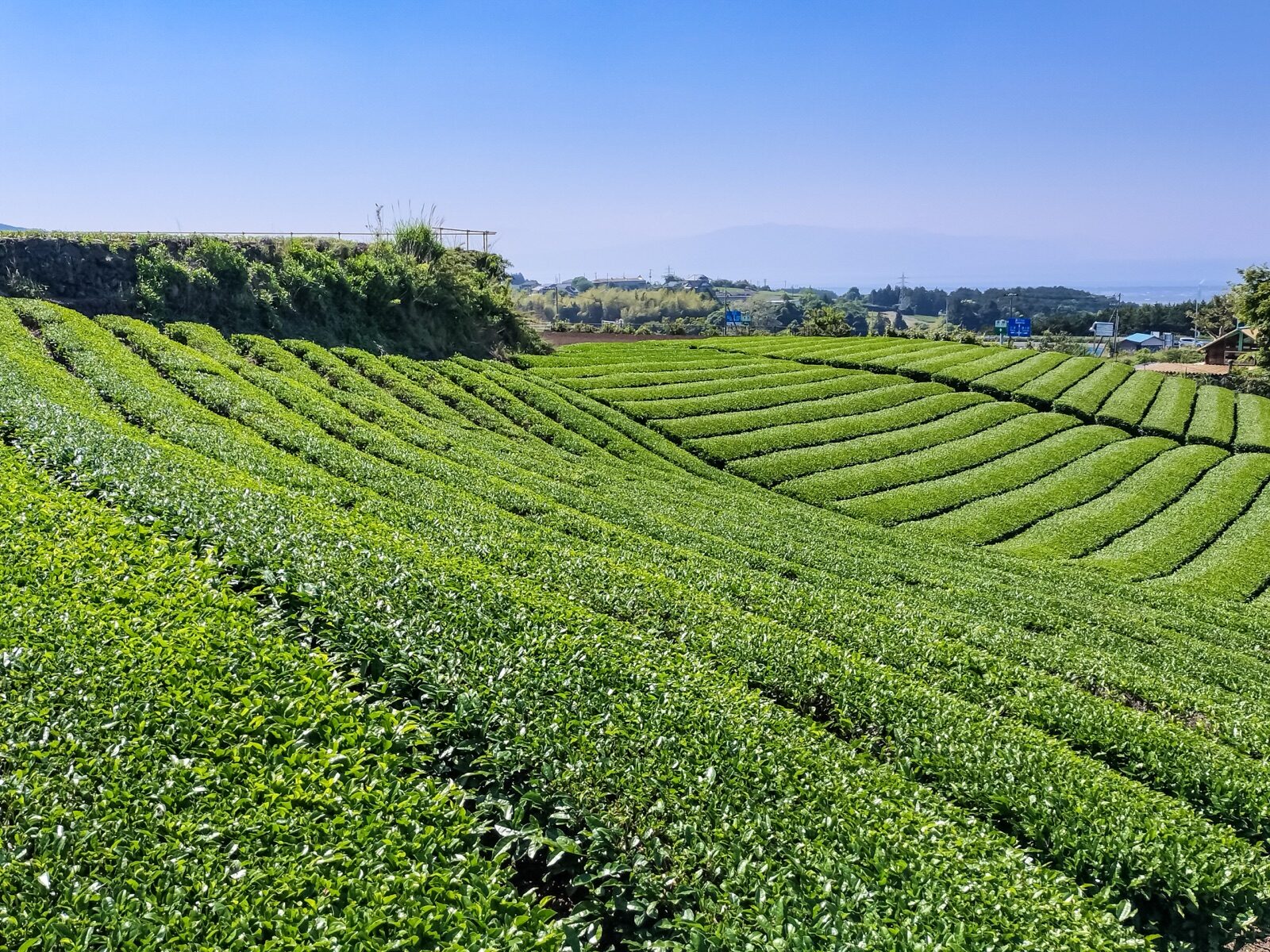
Buyers who treat matcha like a stocked commodity are repeatedly surprised: a grade is “sold out until next year”, a quote expires, a lead time doubles in autumn. Matcha is harvested in a short window and milled to order from stored tencha, so the supply year has a shape. Working with it is the single easiest way to reduce lead times and secure allocation.
Timing varies by region and season; the calendar below is indicative, not a promise.
01 · Calendar
The supply year, month by month
| Period | What is happening | What buyers should do |
|---|---|---|
| Late April – May | First harvest (ichibancha), earlier in Kagoshima, later in cooler areas; tencha processing at full pace | Confirm annual volumes for premium grades; request new-crop samples |
| June – July | New-crop tencha sorted, graded and stored; second harvest in some areas; new-crop matcha begins to ship | Approve new-crop references; place first new-crop orders |
| August – September | Blending and milling to order; suppliers set allocations for the year | Confirm forecasts and price review; ship volume orders before peak season |
| October – December | Peak shipping for gift and holiday season in many markets; milling queues lengthen | Order early for Q4; expect longer lead times |
| January – March | Stocks of the previous crop draw down; some grades tighten before the new harvest | Top-up orders; secure any remaining allocation; plan next year’s volumes |
For the production background see tencha, shading and first harvest.
02 · Lead times
What is inside a lead time
Lead time from confirmed order to shipment usually includes tencha selection or blending, milling (capacity-limited on stone mills), quality checks, packing (longer for retail packs), documents and pick-up. Each step lengthens when demand peaks. Ask suppliers for their standard lead time by format and how it changes seasonally, and write it into orders; see what to put in a matcha supply agreement.
The first harvest is picked in spring, but graded, blended new-crop matcha typically reaches export customers over the following weeks and months. Ask when your grade will be available as new crop.
As a current reference point, exporters running scheduled monthly programmes quote two weeks to one month year-round for a mid-size lot of about 20 kg, milled to order. Carton geometry matters too: 20 kg fills exactly one standard export carton, so that size ships without repacking fees.
03 · Allocation
Allocation and confirmation timing
Since 2024, allocation of premium first-harvest grades has tightened. Suppliers give priority to buyers whose annual needs are confirmed early in the harvest year and who took their previous allocation. Buyers arriving in autumn increasingly find premium grades committed; see why matcha prices rose and how to plan.
Committed annual volume also unlocks reservation: exporters will hold tencha or finished stock against a confirmed yearly quantity, with minimums and terms quoted once that volume is fixed. Supply then typically runs as a scheduled monthly dispatch on a fixed milling-and-shipping day, with quantities adjustable until about two weeks before dispatch.
04 · Crossover
Managing the crop crossover
Every year your product moves from last year’s crop to the new one. Ask suppliers how they manage the transition for your grade, request a new-crop sample for approval, and update your retained reference once accepted; see lot-to-lot consistency in matcha.
05 · Planning
A practical annual routine
- Spring: confirm volumes and grades; request new-crop samples
- Early summer: approve references; place new-crop orders
- Late summer: agree allocations, price review and Q4 shipments
- Autumn: ship holiday volumes early; avoid urgent air freight
- Winter: top up and plan next year; review supplier performance
If you would like this routine run with your suppliers in Japan, our procurement service manages confirmations, samples and shipments through the year.
06 · FAQ
Frequently asked questions
When is new-crop matcha available?
The first harvest is picked in late spring; graded, blended new-crop matcha typically reaches export customers over the following weeks and months. Ask when your grade will be available as new crop and request a sample for approval.
What is a normal lead time for a matcha order?
It depends on format and season: bulk of a stocked grade ships fastest, retail packs and custom blends take longer, and milling and packing queues lengthen before the holiday season. Ask suppliers for standard lead times by format and write them into orders.
Why can’t I get my grade in winter?
Stocks of premium first-harvest grades draw down before the next harvest, and allocations made in summer may already be committed. Confirming annual volumes early is the remedy.
Related services: Wholesale matcha from Japan · Private-label matcha (OEM) · Quality and documentation
Japan-side support
Want your order calendar aligned to the harvest?
Share your annual usage and grades. We map it to supplier schedules in Japan and manage confirmations, samples and shipments through the year.
Send your requirements