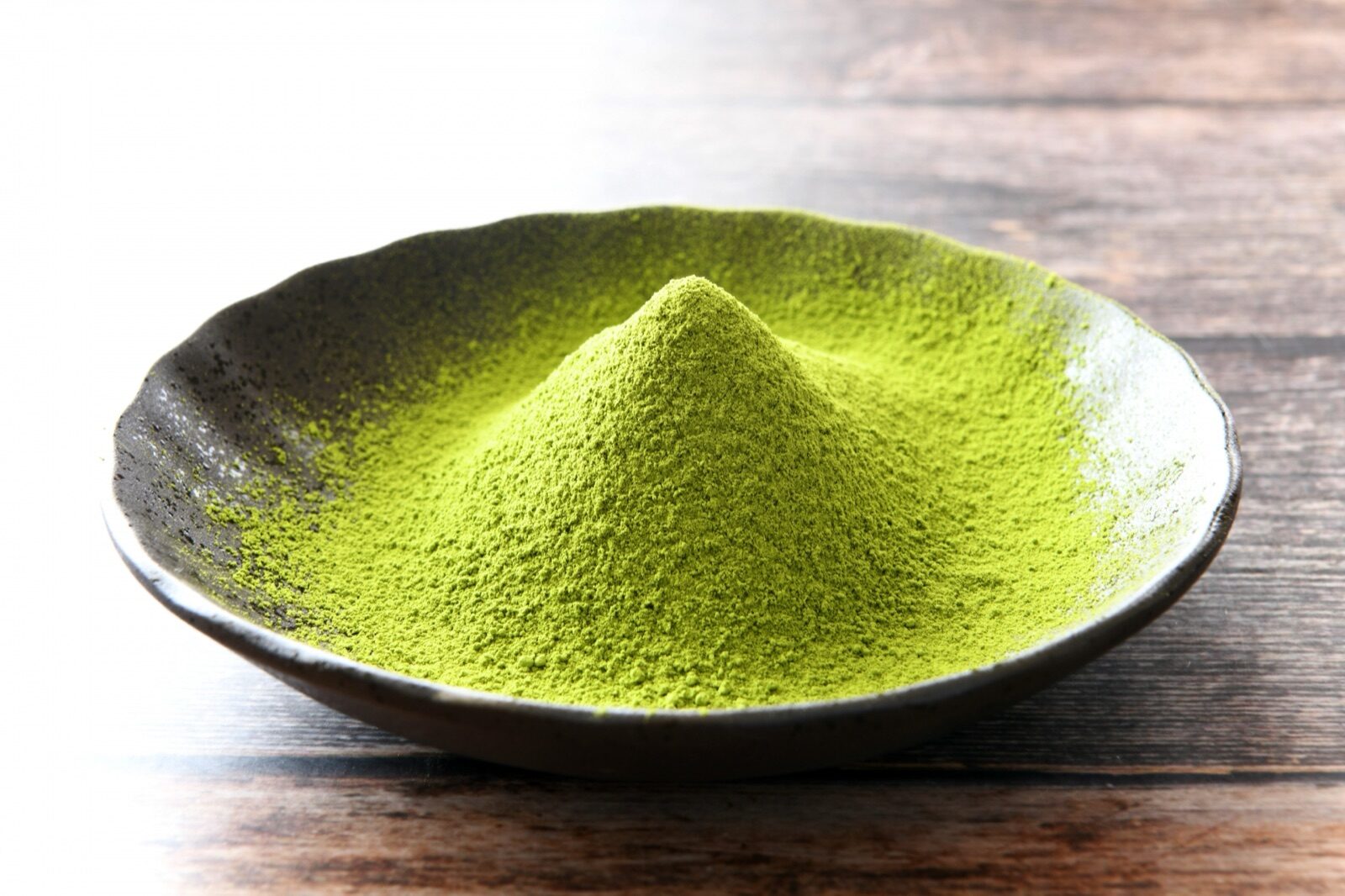
Specialty coffee culture has made Saudi Arabia one of the most energetic matcha markets in the Middle East. Cafés compete on drink quality, ecommerce moves quickly, and new local brands are launching retail matcha lines. Enquiries we receive from the Kingdom are often founder-led and decisive: samples first, then a volume order within weeks.
That speed makes preparation more valuable, not less. The regulatory framework, halal expectations and Arabic labeling all need answers before stock is on the water. This guide is a commercial overview, not regulatory advice; confirm current requirements with the Saudi Food and Drug Authority (SFDA), your customs broker and your own advisers before shipping.
01 · Market
Where Saudi matcha demand appears
- Specialty cafés and café chains. Matcha lattes sit alongside espresso menus in Riyadh, Jeddah and Dammam. These buyers need vivid color in milk, workable bitterness, repeatable blends and a dependable cost per cup.
- Retail and ecommerce brands. Founder-led brands sell whisking grades and latte mixes through Instagram, local platforms and specialty retail. Origin stories such as Uji carry weight, but the claim must be supportable.
- Distributors and foodservice wholesalers. They supply cafés and hotels and need several price tiers, stable replenishment and export documents that pass down the chain.
- Food and beverage manufacturers. A smaller channel today, buying against technical specifications for drinks, desserts and confectionery.
A useful enquiry states the channel, the finished product, the first-order and annual volume, and whether the target price is your wholesale buying price or a planned retail price — the two lead to very different grades.
02 · SFDA
The Saudi import framework
The SFDA administers food import controls. In practical terms, a Saudi food importer operates with commercial registration, works through SFDA's electronic clearance and registration systems, and is responsible for product compliance at the border. Which registrations, documents and tests apply depends on the product and current SFDA rules, and processes are updated over time — treat a broker's confirmation from a previous shipment as history, not as the current answer.
Before the first order, settle four points with your broker or consultant:
- Who is the importer of record, and is its SFDA-side registration current?
- How will plain matcha powder be classified and declared?
- Which certificates and test reports must accompany this specific lot?
- Does anything change if the product is a blend, a latte mix or a retail pack rather than pure powder?
A Japanese supplier can provide specifications, certificates of analysis and export paperwork, but it cannot hold the Saudi importer's responsibilities. The commercial sequence itself is unchanged from other markets; see how to import matcha from Japan.
03 · Halal
Halal status and certification
Pure matcha is a single-ingredient product: shade-grown tea leaves, steamed, dried and ground. It contains no additives, alcohol or animal-derived processing aids, so the powder itself is widely accepted as halal by nature. The practical questions are different ones:
- Certification. Some Japanese producers hold halal certification; many excellent ones do not. If your customers or authorities expect a certificate, make it a screening criterion from the start rather than a late request.
- Blends and mixes. Once matcha becomes a latte mix or flavoured product, every added ingredient and processing aid matters. The halal review must cover the finished formulation.
- Claims. Only put a halal mark on packaging when the certification behind it covers the actual product and producer.
Tell your Japan-side partner early. Screening for certified suppliers first is far cheaper than discovering the requirement after samples are approved.
04 · Documents
Radiation reports, COAs and the lot file
Since 2011, several markets — including Saudi Arabia — have at times required radiation-related documentation for Japanese food. Requirements have narrowed over the years and differ by product and prefecture of origin, so ask your broker for the current position rather than assuming either way. Where a report is needed, it should identify the lot, the isotopes tested, the method and the detection limits.
A workable Saudi lot file typically includes the product specification, a lot-numbered certificate of analysis with the agreed microbiological and chemical tests, origin and traceability records, and the commercial shipment documents. In practice, Japanese suppliers with export experience prepare a certificate of origin and a health certificate issued through the local Chamber of Commerce, together with the packing list and commercial invoice; the Saudi importer's product registration is what lets officials match those documents at clearance. Suppliers in our network have shipped matcha to Saudi Arabia, and samples normally travel by EMS international express. Read results rather than filing titles: how to read a matcha COA shows what a meaningful report contains.
A supplier's general brochure figures describe the product line. Saudi clearance and your own customers rely on documents tied to the lot you actually shipped.
05 · Labels
Arabic labeling and GSO standards
Prepackaged food sold in Saudi Arabia needs labeling that meets the applicable Saudi and Gulf (GSO) standards, and Arabic must be present for consumer packs — commonly alongside English. Review the product name, ingredients, net weight, dates and storage wording, the responsible business, and any claims. "Ceremonial grade" has no regulatory meaning in Japan, so treat it as marketing wording rather than a specification; origin and organic claims need supporting records.
Decide early whether Japan packs the consumer unit or bulk matcha is packed in the Kingdom. Arabic artwork is usually easier to manage locally, while Japanese packing can suit premium tins — in that case, lock the Arabic label content before components are printed.
06 · Logistics
Freight, heat and the Gulf route
Matcha is heat-sensitive, and Gulf summer temperatures are a real risk on tarmacs, in containers and in warehouses. Air freight suits samples, launches and premium stock; sea freight to Jeddah or Dammam becomes interesting for planned pallet volumes, ideally with temperature-managed handling and storage. Whatever the mode, use sealed high-barrier packaging, keep transit short and predictable, and plan storage away from heat, humidity and strong odours. Compare complete landed costs under a named Incoterm rather than freight quotes alone.
07 · First order
A practical sequence for Saudi buyers
- Define the channel, finished product, first order and realistic annual volume.
- Confirm the importer of record and current SFDA-side requirements with your broker.
- State halal, organic and document requirements in the sourcing brief.
- Evaluate 2–4 samples in the actual drink or recipe and keep a sealed reference.
- Agree specification, lot tests, price tiers, MOQ, lead time and Incoterm in writing.
- Approve Arabic label artwork and the document set before production.
- Ship a first lot sized to learn from, then fix the reorder and lot-approval routine.
Our matcha sourcing service runs the Japan side: supplier search in Japanese, sample coordination and written terms. When your brief is ready, send us your requirements.
08 · FAQ
Frequently asked questions
Is matcha halal?
Pure matcha is a single-ingredient plant product with no additives, alcohol or animal-derived processing aids, so it is widely accepted as halal by nature. Formal certification is separate: some Japanese producers hold it, many do not. If a certificate matters for your market, make it a supplier-screening requirement from the start.
Does Japanese matcha need a radiation certificate for Saudi Arabia?
Requirements have changed over time and depend on the product and current rules. Ask your customs broker for the current SFDA position before shipment, and where a report is needed, make sure it references the actual lot.
Does matcha packaging need Arabic labeling in Saudi Arabia?
Consumer packs sold in the Kingdom need labeling that meets Saudi and GSO requirements, with Arabic present. Bulk business-to-business shipments follow different documentation. Have the label reviewed against current standards before printing.
What matcha do Saudi cafés usually buy?
Most start with a latte-focused blend chosen for color in milk, controlled bitterness and cost per cup, and many add a premium whisking grade for signature drinks. Test candidates in the actual menu drink rather than plain water before deciding.
Related services: Wholesale matcha from Japan · Private-label matcha (OEM) · Quality and documentation
Japan-side support
Sourcing matcha for Saudi Arabia or the GCC?
Tell us the product, city and expected volume. We approach suitable Japanese suppliers, arrange samples and prepare the documents your importer and broker request.
Send your requirements