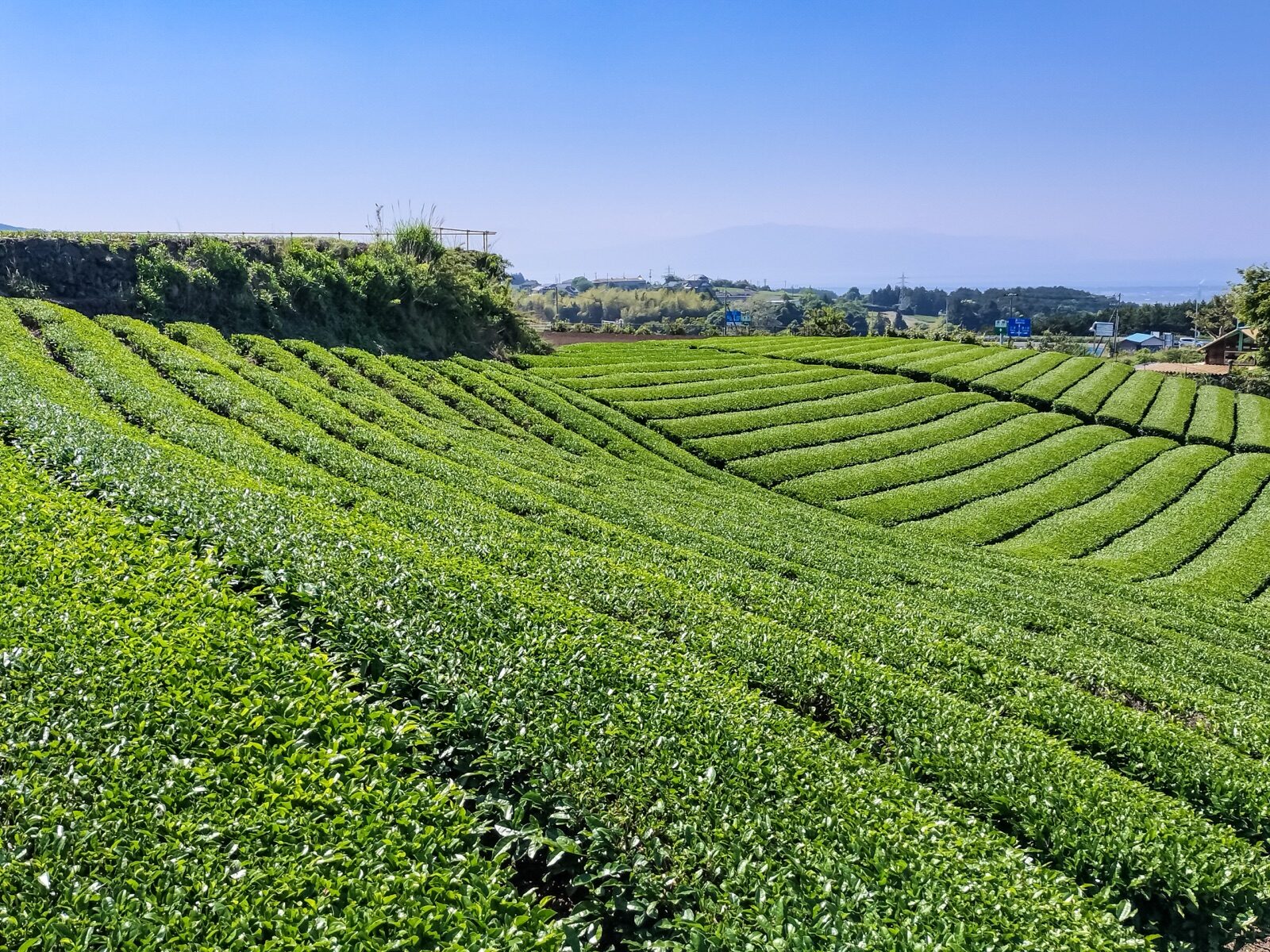
“Buy direct from the farm” sounds like the obvious goal. In matcha it is often not the best route, and sometimes not possible at all. Matcha production is split across several stages, and the business that grows the leaf is frequently not the one that mills or exports it.
Understanding the supplier types helps you approach the right companies and interpret their answers.
01 · The chain
Where matcha actually comes from
Matcha starts as tencha: shaded tea leaves that are steamed, dried and de-stemmed but not rolled. Tencha is then milled into powder, traditionally on stone mills. Growing, tencha processing, milling, blending and packing can each be done by different companies.
- Growers cultivate and shade the tea. Many sell fresh leaf or tencha rather than finished matcha.
- Tencha factories process leaf into tencha, sometimes for many growers in an area.
- Mills and refiners grind tencha into matcha and blend for consistency.
- Wholesalers and blenders buy tencha or matcha from several sources and sell graded products.
- Trading companies handle export paperwork, consolidation and foreign-language communication.
02 · Farms
Farms and farm-based brands
Some farms have integrated milling and sell finished matcha, often with a strong origin story that retail brands value. Volumes may be limited to their own harvest, English communication is variable, and export documents may be new territory. They can be an excellent fit for a premium retail line and a difficult fit for a manufacturer needing steady tonnage.
03 · Factories and mills
Tencha factories and mills
Specialist mills and larger tea manufacturers can offer consistent grades in commercial volumes, formal specifications and test reports. Minimums are usually higher and origin may be a blend across growers or regions, which is normal for beverage and food grades. Ask how they manage lot-to-lot consistency; see lot-to-lot consistency in matcha.
04 · Wholesalers and traders
Wholesalers and trading companies
Wholesalers and trading companies are the easiest route for a first import: they are set up for export, respond in English and can supply several grades from one invoice. The trade-off is one more margin and less visibility of the original producer unless you ask. For many buyers this is the right trade.
| Supplier type | Typical MOQ | Documentation | Communication | Best fit |
|---|---|---|---|---|
| Farm with own mill | Small to medium, capped by harvest | Basic to good | Often Japanese only | Premium retail, origin storytelling |
| Tencha factory / mill | Medium to large | Good, formal specs | Some English | Beverage and manufacturing grades |
| Wholesaler / blender | Small to large | Good | English usually available | Cafés, brands with several SKUs |
| Trading company | Small to large | Strong export paperwork | English | First imports, consolidation |
05 · Questions
Questions that reveal what a supplier really is
Suppliers rarely describe themselves inaccurately, but marketing language can blur the picture. A few direct questions clarify it.
- Do you grow the tea, process tencha, mill, or buy finished matcha?
- Which region or regions does this product come from, and can that change between lots?
- Have you exported to my country before, and which documents did you provide?
- What is the realistic annual volume you can commit to for this grade?
- Who will be my contact for quality questions after the first order?
A trading company that answers within a day and ships on time will serve a growing café chain better than a famous farm that cannot commit to volume.
06 · Choosing
Match the supplier type to your product
Retail brands with an origin story often combine a farm or single-region supplier for a hero product with a wholesaler for volume grades. Manufacturers usually work with mills or larger manufacturers who can guarantee specification. Importers building a range frequently start with a trading company and add direct relationships later.
If you want a Japan-side team to identify and qualify suppliers for a specific brief, see our supplier sourcing service.
07 · FAQ
Frequently asked questions
Is buying direct from a matcha farm always cheaper?
Not necessarily. Farms may price small export orders higher than a wholesaler because export handling is not their core business, and freight on small direct shipments is expensive per kilogram. Direct relationships pay off in story and control more than in the first-order price.
What is a tencha factory?
A facility that steams, dries and de-stems shaded tea leaf into tencha, the raw material for matcha. Some factories process leaf for many growers in a region and sell tencha to mills and blenders rather than finished matcha.
Should a small brand start with a trading company?
Often, yes. Trading companies accept smaller orders, communicate in English and handle export documents. Many brands start there, learn what they need, and add a direct producer relationship for a hero product later.
Related services: Wholesale matcha from Japan · Private-label matcha (OEM) · Quality and documentation
Japan-side support
Not sure which suppliers to approach?
Describe your product and volume. We identify suitable supplier types in Japan, contact them in Japanese and report back who can realistically meet the brief.
Send your requirements