Illustrative agent engagement · Australia

Compare matcha by drink performance and cost per cup.

An eight-site café group had five promising samples but no shared way to judge drinks or compare repeat-order terms.

Buyer8-site café group
Demand25–50 kg / month
PriorityApplication economics
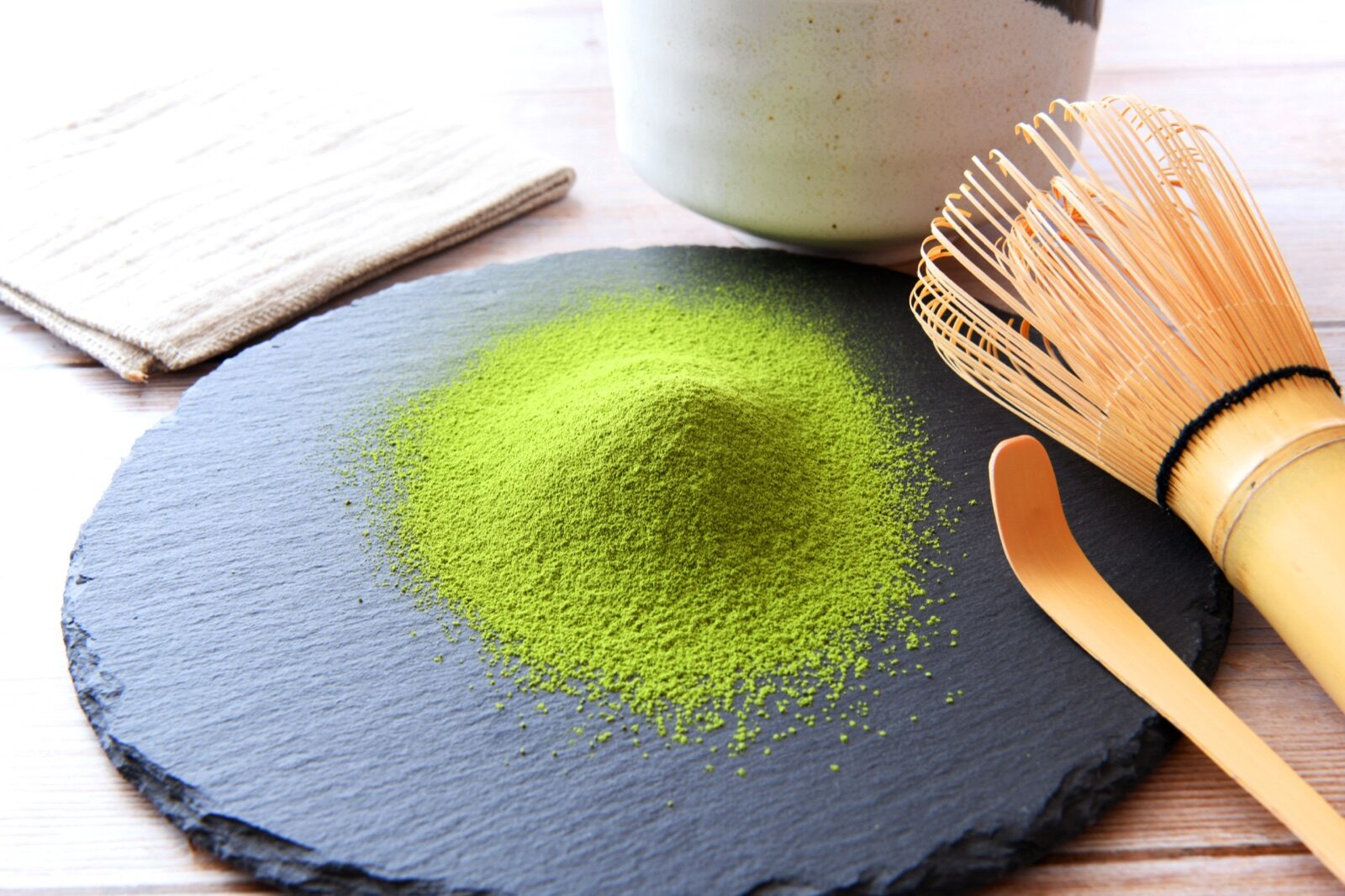
Prepared matcha representing an Australian café application test
Illustrative case · Not an actual client

This is a fictional example. It does not describe an actual client, transaction or verified outcome. All quantities, terms and recommendations are illustrative.

Starting position

Five samples tested in different ways.

The team’s tasting notes could not explain which product would be easiest to use, consistent across sites and financially workable at the approved recipe dose.

Network8 sites

Different teams needed a simple and repeatable preparation standard.

Samples5 candidates

Each had been tested at a different dose or recipe.

MenuHot + iced

Oat and almond milk performance mattered as much as water tasting.

Forecast25–50 kg

Monthly demand depended on rollout timing and seasonal menu uptake.

Procurement scope

Use the same recipe and method for every sample.

The comparison uses the final menu context and links sensory acceptance to usable dose, waste and supplier terms.

01

Blind application test

Prepare every candidate at agreed doses in water, hot milk and iced alternative-milk recipes.

02

Operational score

Record dispersion, speed, color hold, flavor presence and staff preparation tolerance.

03

Cost per drink

Calculate matcha cost at the accepted dose and note expected waste or remake sensitivity.

04

Supply comparison

Request 25, 50 and 100 kg tiers, forecast expectations, pack options and reorder lead time.

Illustrative pilot

Order enough for training and the first reorder cycle.

The pilot covers training, real service conditions and the beginning of the next order cycle.

Decision item Illustrative recommendation
Pilot quantity 30 kg beverage matcha across selected sites using one approved preparation standard.
Product choice Select using the combined taste, operations and cost-per-drink score. Do not use ceremonial terminology as the deciding factor.
Backup route Retain the second-ranked application-tested product with current written prices and order terms.
Next volume approval Review guest response, staff execution, waste, actual usage and supplier replenishment before 50 kg cadence.
Open decisions Buyer/importer review, final delivery assumptions and inventory ownership remain to be confirmed.

Illustrative outcome

A product choice each store can use.

The selected matcha is tied to a recipe, cost model and supply plan rather than a tasting-room preference.

01

One test standard

One scorecard lets beverage, operations and procurement discuss the same trade-offs.

02

Cost per cup confirmed

Price per kilogram is translated into the actual approved dose and cost per cup.

03

Volume increased after the pilot

The group moves from a 30 kg operational pilot to recurring supply only after usage is observed.

Your café program

Need to compare samples in the drinks you actually sell?

Share your recipes, approved milks, expected monthly usage and current candidates.